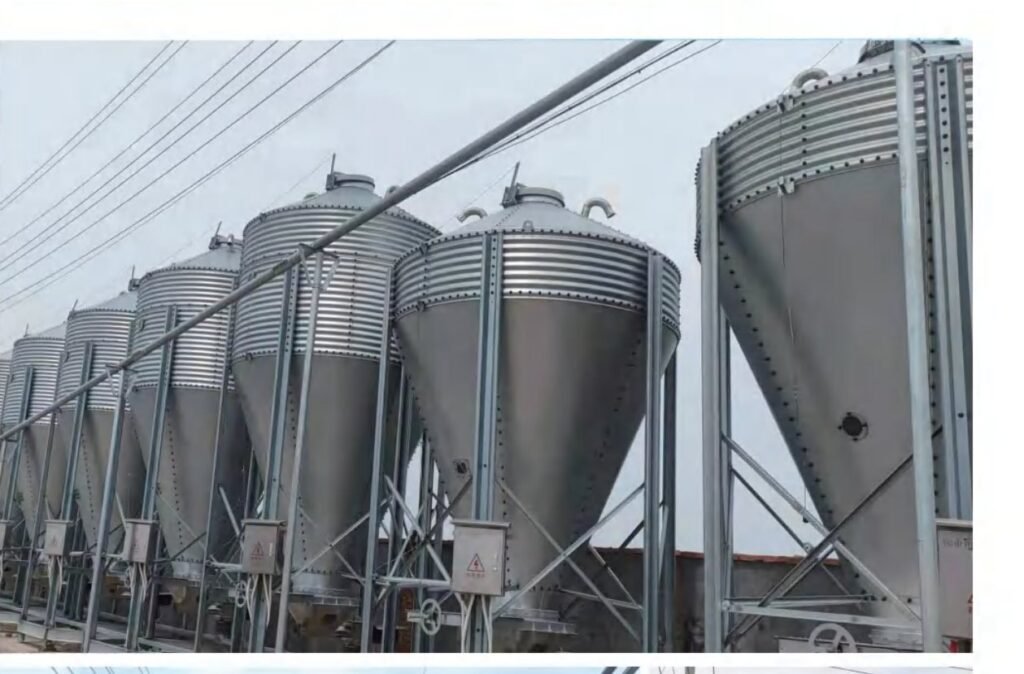
A pig feed delivery line is easier to review when the buyer starts with the route, feed and connection information instead of a generic component list. This guide helps farm managers, distributors and contractors prepare the inputs that make an equipment discussion more specific before a quotation is requested.
What a Pig Feed Delivery Line Connects
For dry-feed projects, the delivery line sits between storage and the feeder or other end equipment. Pork Information Gateway describes complete feed moving from a storage bin to pens or sows through an auger line; the exact arrangement still depends on the selected equipment and farm layout.
Use the existing pig feed delivery line components page to review the available conveying families and the automatic pig feeding system page when the discussion includes the full storage, conveying, distribution and control relationship. This article does not replace either product or system page.
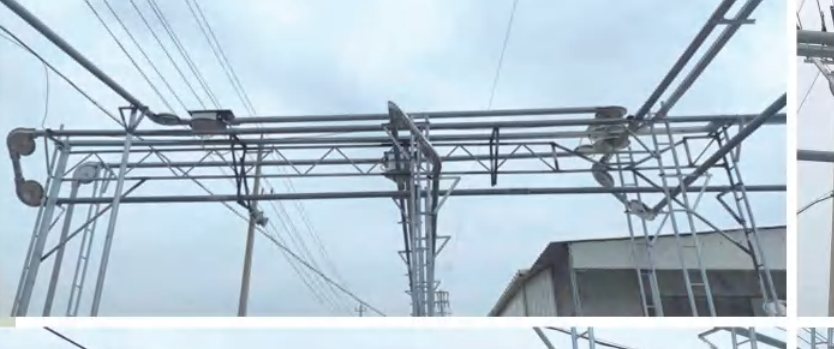
7 Inputs to Check Before Selecting a Pig Feed Delivery Line
1. Feed Form and Handling Characteristics
State the feed form and any handling information already known. Published University of Minnesota guidance notes that feed ingredients can have different flow and handling characteristics, and that material which packs or bridges can affect movement through handling equipment. Treat this as a reason to describe the feed, not as a universal diagnosis or performance prediction.
2. Feed Storage and Discharge Interface
Identify the storage point, outlet and available transfer interface. A pig feed silo option is part of the upstream context, while the selected line and its inlet must be reviewed together. Provide available drawings, photos and existing interface dimensions rather than assuming a standard connection. For a silo-specific checklist, see pig feed silo selection.
3. Route Length and Elevation
Map the proposed route from discharge to the end equipment, including elevation changes. The purpose is to establish the actual path for configuration review; it is not a basis for applying a universal route limit or motor selection.
4. Corners and Direction Changes
Mark every planned turn and direction change on the sketch. Auger and chain-disc systems use different conveying elements and component sets, so a corner count alone does not establish compatibility. It gives the supplier a defined route to assess with the selected family.
5. Delivery Points and House Layout
List where feed must be delivered and relate each point to its house or pen area. The number and position of delivery points influence the scope of the review, especially when the request covers more than one house or a staged project.
6. Feeder and End-Equipment Interfaces
Identify the intended feeder, trough or other end equipment, then share any known connection details. The relevant pig feeder and trough options and nursery pig feeder options can help define the end-use context, but their interfaces must be confirmed for the actual project.
7. Electrical, Control and Project-Scope Inputs
Record the destination, available voltage and frequency, existing controls if any, and the requested supply boundary. KAMOF’s current system guidance treats drive, sensor and control scope as configuration items to be confirmed before quotation; this guide therefore asks for inputs rather than promising a fixed electrical or control package.
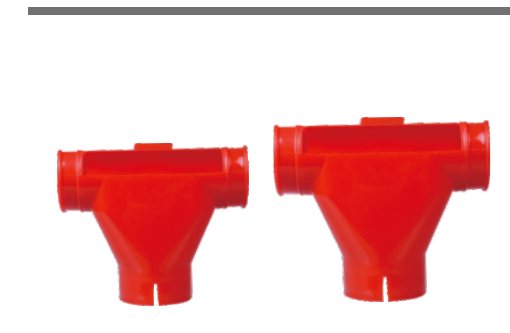
Auger vs Chain-Disc: What Should Buyers Compare?
Auger and chain-disc are different conveying families. The planning question is not which family is universally better; it is whether the proposed feed, storage interface, route, turns, delivery points and end equipment have been described clearly enough to compare the appropriate components.
| Planning question | Why it belongs in the brief | What to provide |
|---|---|---|
| Conveying family under review | It keeps component discussion within the correct equipment family. | Auger, chain-disc, or a request for configuration review. |
| Route and turns | It gives the review a physical path rather than an assumed layout. | Sketch, dimensions if available, elevation notes and each direction change. |
| End equipment | It clarifies where the line must hand off feed. | Feeder type, trough type, photos and known interfaces. |
Information to Prepare Before Requesting a Quote
A useful first brief can include pig stage, number of houses, house dimensions, silo location, feed form, route, elevation changes, delivery-point quantity, intended feeder type, available interface dimensions, voltage and frequency, destination, and a layout or sketch. Send only information that is available; missing details can be identified during the review.
For a broader equipment list, begin with the pig feeding equipment categories hub or browse KAMOF product categories. If the project is ready for discussion, use the contact page for a quotation discussion with the available layout, route and interface information. For a cross-category buyer overview, use the pig farm equipment guide.
Common Planning Mistakes to Avoid
- Choosing a line family before mapping the delivery points and their house locations.
- Treating every feed form as having identical handling conditions.
- Leaving existing feeder connection details until the final quotation stage.
- Using a universal route or corner assumption instead of a project sketch.
- Leaving voltage, frequency or the requested supply boundary unspecified.
These are planning checks, not failure predictions. Their purpose is to make the initial conversation precise enough to avoid applying an unverified general rule to a specific farm.
Technical Sources
For general background on swine feeding systems, see Pork Information Gateway’s overview of feeding systems for swine. For feed handling and storage context, consult University of Minnesota Extension guidance on mixing and storing swine feed and the U.S. Food and Drug Administration’s animal-feed handling lesson. These sources support general educational context; final equipment configuration remains project-specific.
Next Step
If you are preparing a pig-house feeding project, share the available layout, route and interface information for quotation discussion. KAMOF can review the requested product family and the information available for the project scope.
Technical Basis: This guide combines published university, government and industry educational guidance, documented KAMOF equipment-family references, and buyer-input planning logic. It is not an engineering certification or a universal system-design specification.