Technical selection guide
A wet-dry pig feeder can combine dry feed access with water at the feeding area, but the right configuration depends on pig stage, pen layout, feed management and the available water system. This guide helps buyers define the questions that should be answered before comparing equipment or requesting a quotation.
What a wet-dry pig feeder changes
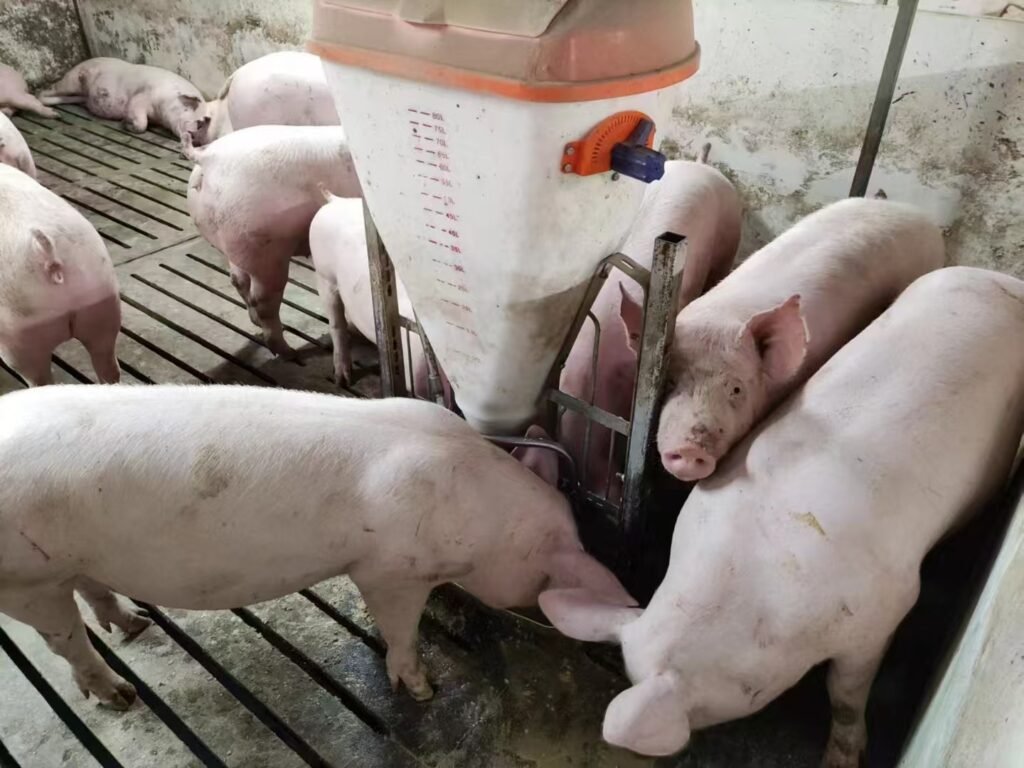
A wet-dry pig feeder is a feeding arrangement in which dry feed and drinking water are available at the feeder area. In contrast, a conventional dry feeder supplies feed while water is provided separately. South Dakota State University describes wet-dry designs as supplying feed from the hopper shelf and water through nipples in the feed-pan area, where pigs mix the two as they eat.
This description is useful for selection because it separates the equipment concept from a universal performance promise. A wet-dry pig feeder does not automatically suit every pig stage, house layout or water arrangement. The pan, water position, adjustment method, feeder access and daily management all need to be considered together.
Seven practical factors to check before selection
1. Start with pig stage and management routine
State whether the intended use is nursery, grower, finisher or a mixed project. Pig stage affects the questions a buyer should ask about feeder access, water position, cleaning routine and pen arrangement. Do not assume that one feeder configuration is appropriate across all stages without confirming the actual product and management plan.
2. Define the feed and water arrangement
Clarify whether the farm will use dry feeding with separate drinkers, or a feed-and-water arrangement at the pan. A wet-dry pig feeder should be reviewed with the existing or planned water-line layout, water delivery points and local maintenance practice. The feeder itself is only one part of that interface.
3. Check feeding access instead of relying on a generic headcount
Feeder design and access affect feed intake, according to University of Minnesota Extension. The suitable number of pigs per feeding position depends on pig size, feeder design, head barriers, water arrangement and management. Ask for the actual number of feeding positions and confirm the intended pen population rather than using an unverified universal ratio.
4. Review pan adjustment and feed flow
Feeder adjustment matters after installation as well as at purchase. Purdue Extension notes that feeders set too open can increase sorting and stale feed, while feeders set too tightly can restrict access. Buyers should ask how the feed opening is adjusted, who will inspect it daily and whether the chosen feed form is expected to flow through the selected feeder.
5. Separate equipment facts from operating outcomes
Research comparing dry and wet-dry feeders has reported results that vary by pig stage and study conditions. That is a reason to avoid treating a wet-dry pig feeder as a guaranteed feed-efficiency or growth outcome. Use published research to understand the questions, then confirm the equipment configuration and farm management requirements for the specific project.
6. Confirm material, cleaning and replacement details
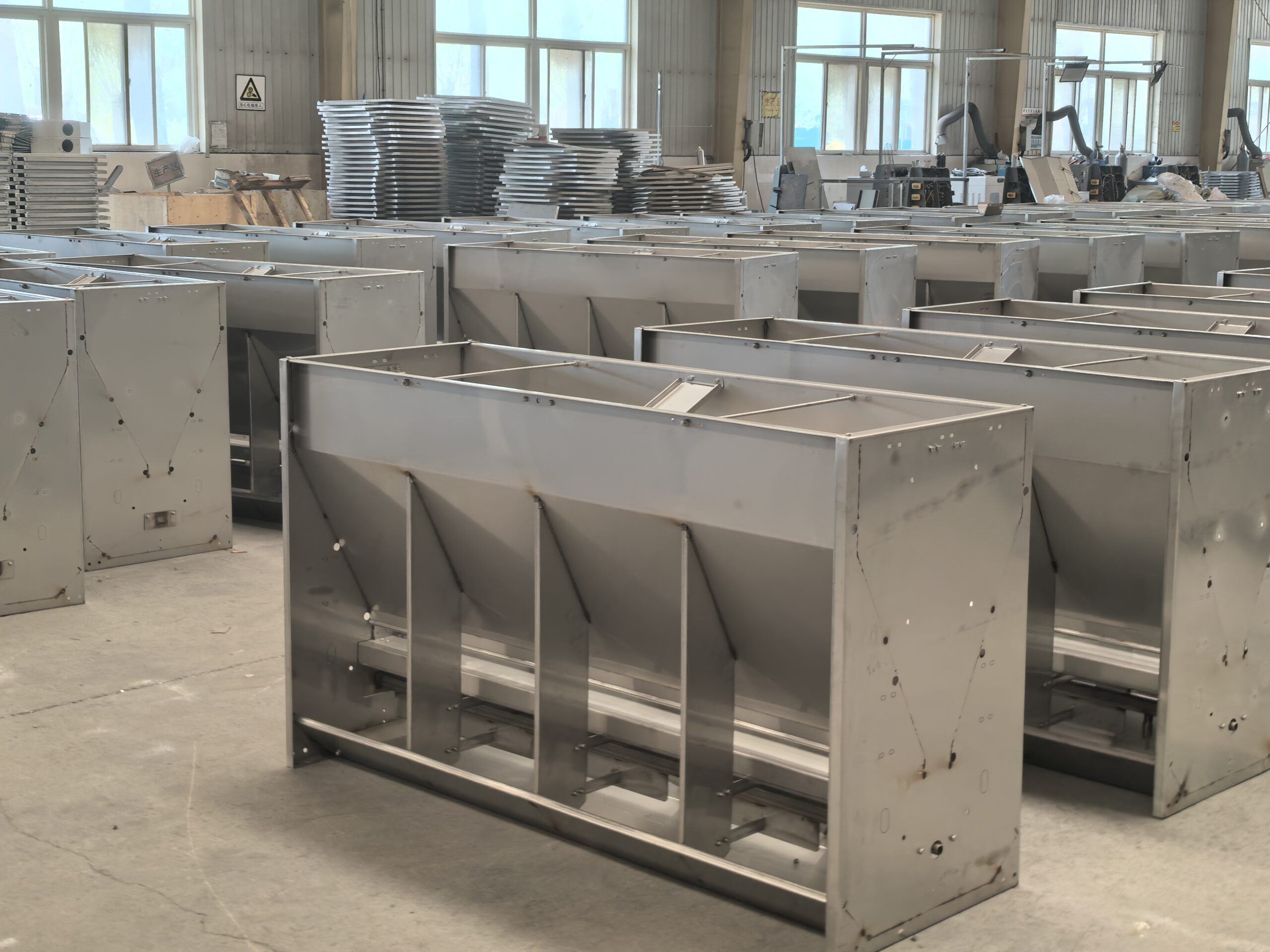
Material options, hopper shape, removable components and cleaning access are product-specific facts. Request the actual material description, relevant dimensions, adjustment parts and cleaning method from the supplier. Where a farm already has equipment, clear photos and connection measurements are more reliable than a generic compatibility claim.
7. Check how the feeder fits the wider feeding layout
A feeder may be supplied as a stand-alone item or as an end point in a larger feeding layout. If feed is delivered from storage, identify the expected inlet, feeder location and any required connection to the delivery route. For a complete layout discussion, see the automatic pig feeding system page; for product-family questions, see the pig feed trough and wet-dry feeder options.
Dry feeder versus wet-dry feeder: frame the comparison correctly
The most useful comparison is not “which feeder is best?” but “which feeding and watering arrangement fits this pen and operating routine?” The table below is a project-discussion checklist, not a specification sheet.
| Question | Dry feeder arrangement | Wet-dry feeder arrangement |
|---|---|---|
| Where is water provided? | At a separate drinking point. | At the feeder area, subject to the confirmed design. |
| What should be reviewed? | Feeder access plus separate drinker placement. | Pan, water access, adjustment and cleaning details. |
| What should not be assumed? | That a general feeder ratio fits every pen. | That one wet-dry design delivers the same result in every house. |
South Dakota State University emphasizes that feeder-pan management and adjustment remain important regardless of feeder type. Purdue Extension similarly connects feeder design, size and adjustment with the practical control of feed waste. These are operating considerations, not a substitute for project-specific product confirmation.
Information to prepare before comparing equipment
A clear input list makes a technical comparison more useful. Prepare the pig stage, pen dimensions, number of pigs or pens, feeding method, water arrangement, preferred material, required quantity and destination. If the feeder will connect to delivery equipment, include a layout drawing or photos of the current inlet and line route.
Buyers comparing several equipment categories can begin at the pig feeding equipment hub. Related pages cover feed storage options, auger and chain-disc feed delivery lines, nursery pig feeder options and pig drinking equipment. For a cross-category buyer overview, use the pig farm equipment guide.
For background guidance, see South Dakota State University Extension on feeder types, Purdue Extension on feed-waste management and University of Minnesota Extension on feeder access.
Next step: compare confirmed equipment information
A wet-dry pig feeder should be selected from confirmed product details and the actual feeding, watering and pen requirements. Review related equipment first, then send the available layout, quantities and connection information for a quotation discussion. KAMOF’s published pig farm equipment categories can help buyers identify the relevant product family before contacting the team.
Technical basis: This guide uses published Extension guidance and documented KAMOF product information.