PIG FEED DELIVERY SYSTEMS
Pig Feed Delivery Lines for Automatic Pig Feeding Systems
Compare pig feed delivery line options for moving feed from a silo or hopper to planned drop or feeding points in pig houses. Flexible auger feed delivery systems and chain-disc feed transport systems use different conveying elements, pipes, corners and drive-related components and are not automatically interchangeable. Selection depends on the feed source, feed characteristics, route length, elevation changes, corners, drops and house layout. Send your available interface dimensions and layout or sketch so KAMOF can clarify the conveying scope to be confirmed in the quotation.
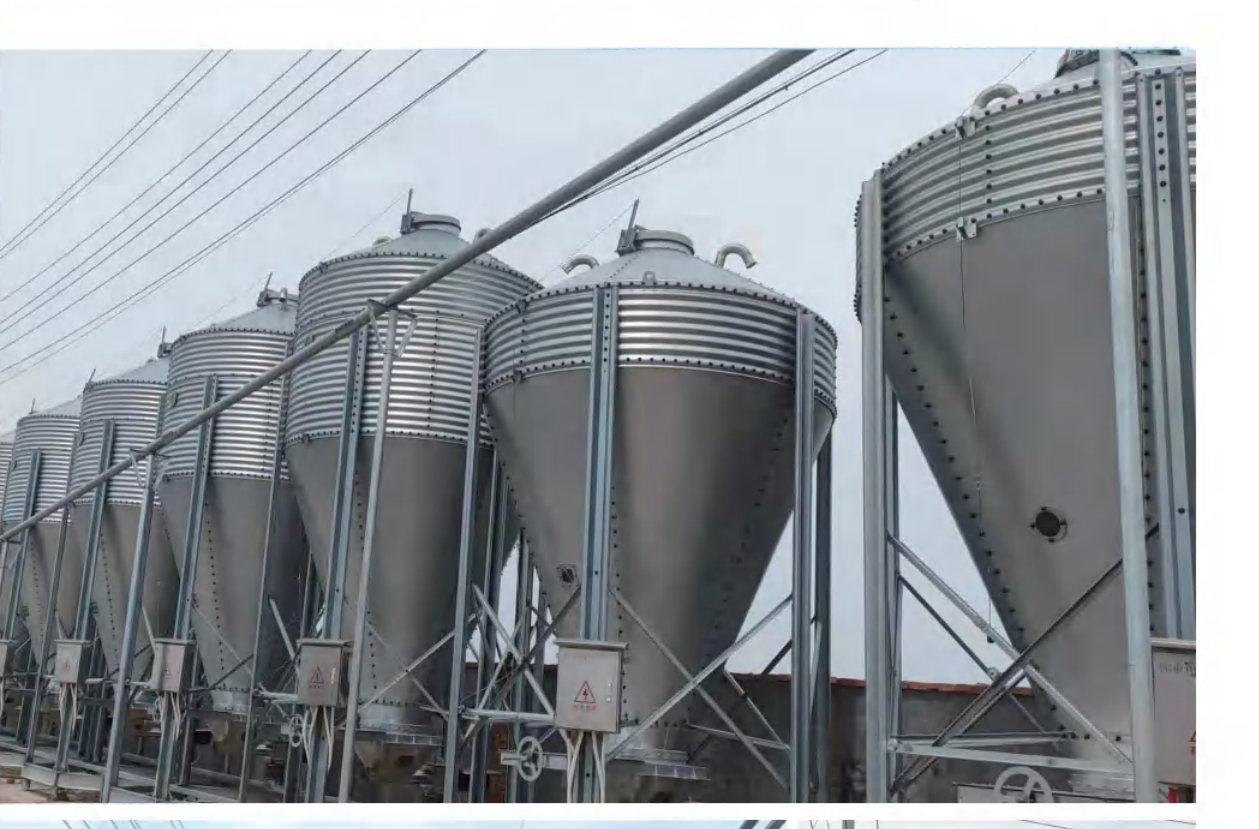
Choose the Feed Delivery System
Select the system family before comparing individual pipe labels. Flexible auger and chain-disc systems use different conveying elements, route components and drive-related parts.
Flexible Auger Feed Delivery Line
Conveying element: flexible spiral auger. Current documented pipe references are 60, 75 and 90 mm PVC. Route, drops, hopper and interface details are confirmed for the selected project configuration.
Chain-Disc Feed Transport System
Conveying element: chain and polymer discs. The current documented reference uses a 60 mm galvanized pipe option. Matching corner, outlet and drive-related components are selected within the same system family.
Route and Project Inputs
Route and project inputs are reviewed together; a pipe label alone does not determine the final conveying scope.
Please provide the available information for the selected or proposed system family:
- Silo or hopper position
- Feed type and bulk density, if known
- Route length and elevation changes
- Corner quantity
- Drop or feed-point quantity
- Pipe or existing-interface dimensions
- Feeder or end-equipment type
- Voltage and frequency
- Layout or sketch
Flexible Auger Feed Delivery Lines
The 60, 75 and 90 mm options on this page are documented configuration references within the flexible auger system family.
A flexible auger feed delivery line uses a flexible spiral auger inside a compatible PVC pipe. The listed pipe references are not universal models or guaranteed project-performance values.
Pipe, hopper, drop and drive scope are confirmed after the selected configuration, feed source and route are reviewed.
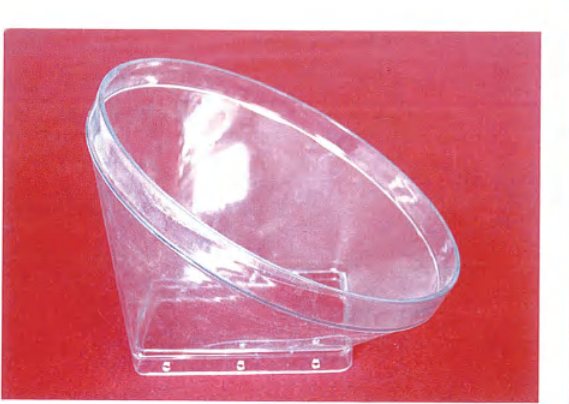
Chain-Disc Feed Conveying Lines
The 60 mm option on this page is a documented chain-disc reference, not a universal specification for every chain-disc model.
A chain-disc feed transport system uses a chain with polymer discs, a documented galvanized pipe option, matching corners, selected outlets and drive-related components from the same system family.
Route and component selection are confirmed as one system series. Power, distance, throughput, corner quantity and electrical details are not generalized across suppliers or series.
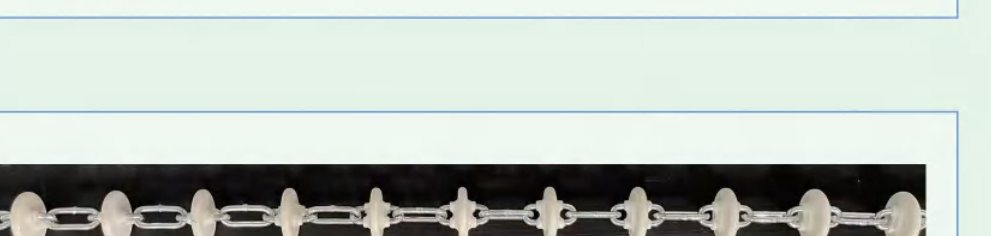
Documented System References
These documented system references are selected configuration examples, not a complete catalog or stock list. Values and component families must be read together with the Flexible Auger or Chain-Disc label. Final route, drive, electrical and connection scope is confirmed before quotation.
Flexible Auger References
60 mm Flexible Auger Reference
- Pipe
- 60 mm PVC
- Conveying element
- Flexible spiral auger
- Application
- One-way feed route
- Connections
- Confirmed silo or hopper and drop arrangement
75 mm Flexible Auger Reference
- Pipe
- 75 mm PVC
- Conveying element
- Flexible spiral auger
- Application
- One-way feed route
- Connections
- Confirmed silo or hopper and drop arrangement
90 mm Flexible Auger Reference
- Pipe
- 90 mm PVC
- Conveying element
- Flexible spiral auger
- Application
- One-way feed route
- Connections
- Confirmed silo or hopper and drop arrangement
60 mm Chain-Disc Reference
- Pipe
- 60 mm documented galvanized pipe option
- Conveying element
- Chain and polymer discs
- Route parts
- Matching corner and outlet components
- Application
- Project-planned chain-disc route
Main Feed-Line Components
Representative component references are shown. Exact matching depends on the selected system family and confirmed interface dimensions.
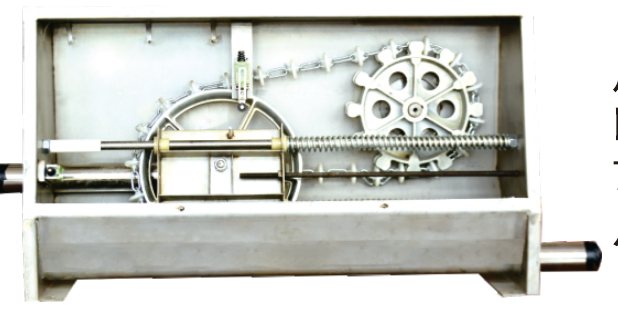
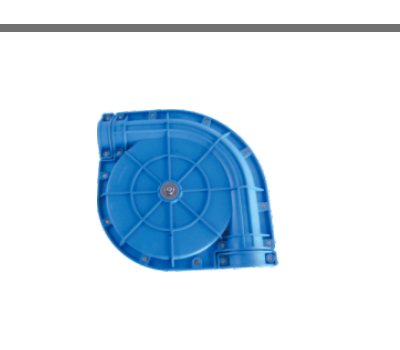
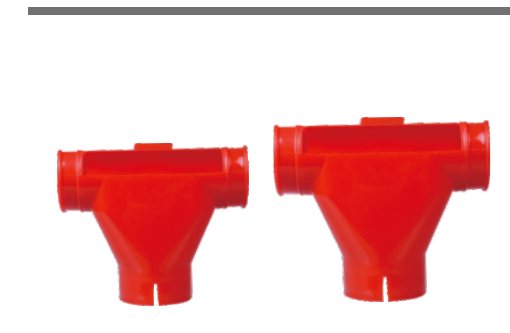
Chain-Disc Conveying Element
Flexible spiral augers and chain-disc elements are selected only for their compatible system family.
Feed Pipe
Pipe diameter and documented material must match the selected conveying element and connection parts.
Chain-Disc Corner
Chain-disc corner wheels and other route components are series-specific.
Feed-Line Drop/Outlet
Outlet, three-way and connector dimensions are reviewed against the pipe and feed-point layout.
Silo and Hopper Connections
The delivery line begins at a confirmed feed source. Silo outlet, hopper and transition parts should be reviewed with the selected conveying system.
Provide the silo or hopper position, outlet information and planned route. If an existing feed source will be reused, include connection dimensions and clear photos.
For feed storage and silo options, review the pig feed silo page. A silo connection is confirmed only after the interface and system family are reviewed.
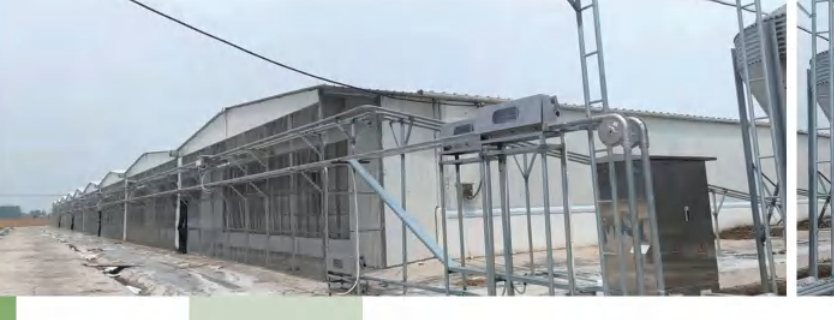
Drive Units, Sensors and Controls
Drive and control equipment is reviewed for the selected system family, selected drive package and project-confirmed route.
Selected systems may use a drive unit, terminal feed-level sensor and control functions for automatic start and stop. The available scope depends on the chosen equipment.
Voltage and frequency are confirmed for the selected drive and control package before quotation; they are not assumed from the destination country alone.
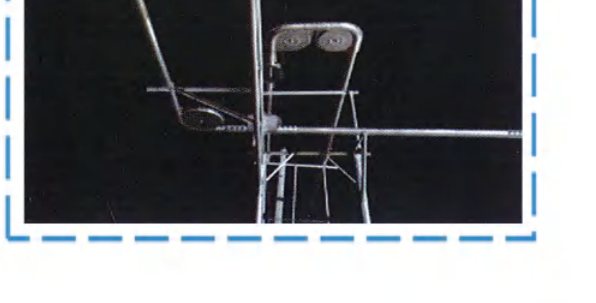
Corners, Drops and Feed Points
Corners, drops and feed points are determined by the planned route and selected system family.
Corner Review
Corner quantity and route changes are reviewed against the selected conveying system and project layout. Chain-disc corners must match their system series, and auger routing is confirmed for the selected configuration.
Drop-Point Review
Drop outlets and three-way components must match the pipe, route and feeder connection. Confirm the required quantity and outlet position for each house.
Reference Feed-Line Arrangement
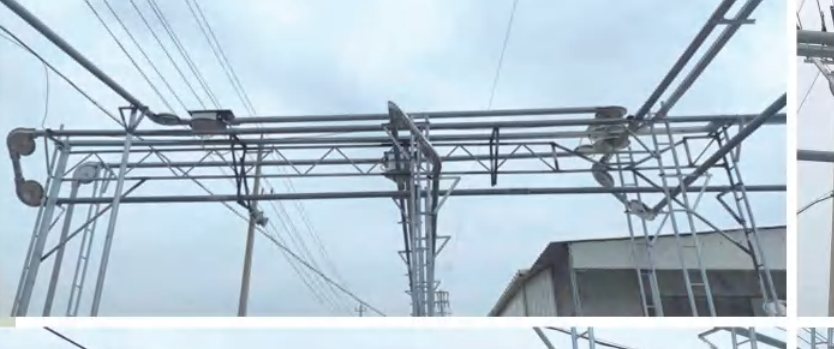
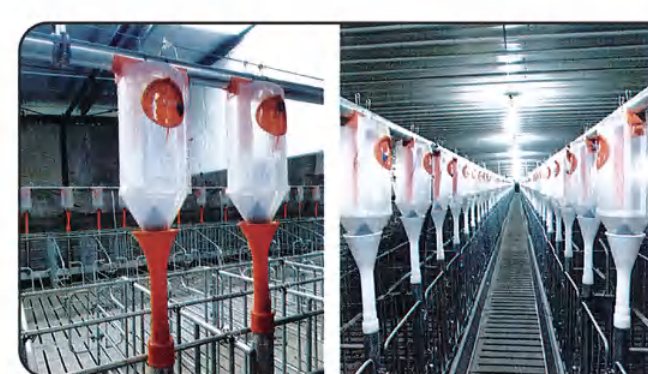
These authorized reference images show silo-to-house routes, outdoor line arrangement, indoor feed-line context, and support or interface context. They are not presented as KAMOF-installed customer projects or performance evidence.
How to Select a Feed Delivery Line
System selection follows the project route and supply boundary. For planning inputs before product comparison, see pig feed delivery line planning.
Map the Feed Route
Mark the feed source, houses, elevation changes, corners and discharge points.
Choose the System Family
Compare flexible auger and chain-disc structures against the route and maintenance conditions.
Match the Components
Confirm pipe, conveying element, drive, connections, drops, sensors and controls.
Confirm the Quotation
Review electrical requirements, quantity, packing, destination and delivery schedule.
Information Required for Quotation
A clear layout helps us review the system family and avoid incorrect component matching.
- Feed source or silo position
- Pig-house dimensions
- Number of houses
- Bulk density, if known
- Route length
- Elevation changes
- Corner quantity
- Drop-point quantity
- Feed type
- Preferred auger or chain-disc system
- Existing pipe or interface dimensions
- Required components
- Voltage and frequency
- Destination country and port
- Layout drawing or sketch
- Target delivery schedule
Component Supply and Compatibility Review
KAMOF can discuss supply based on the existing system family, dimensions, photos, drawings and component requirements. Compatibility is confirmed before quotation.
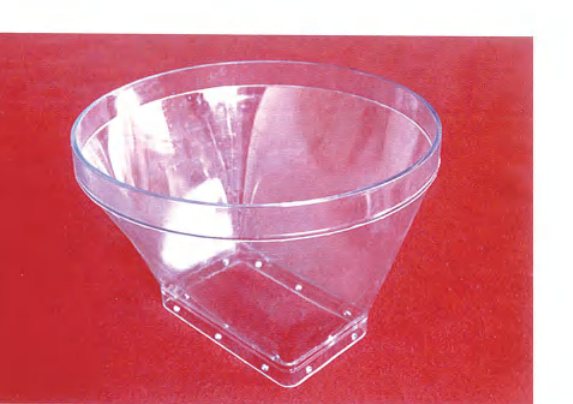
Possible discussion items include augers, chain and disc elements, pipe, corner wheels, feed-line drop outlets, transparent hoppers, pipe connectors, silo connections and selected sensor or control components.
For component enquiries, provide photos, dimensions, connection details and any existing model reference. Components are not presented as universal, drop-in or fully compatible replacements for other brands or systems without technical confirmation.
Related Feeding Equipment
Review the delivery line together with feed storage, feeding points and the wider pig-house system.
Pig Feed Delivery Line FAQ
What is the difference between an auger feed line and a chain-disc feed line?
A flexible auger line rotates a spiral conveying element inside a compatible pipe. A chain-disc line pulls a chain with polymer discs through matching pipe and corner components. Their pipes, drive arrangements, route components and performance data are system-specific and are not automatically interchangeable.
Which pipe diameter should I choose?
Diameter selection depends on the conveying system, feed characteristics, route, discharge points and compatible drive package. Provide a layout before selecting a series or component size.
How many corners can a feed delivery line use?
There is no universal corner limit for every system. Corner quantity and route changes must be reviewed against the selected conveying system and project layout.
Can selected feed-line components be supplied separately?
Selected components may be discussed separately after the existing system, dimensions and connection requirements are reviewed. Photos, drawings and model references help confirm compatibility.
How are electrical requirements confirmed?
Electrical requirements are confirmed for the selected drive and control package before quotation. Please provide the required voltage and frequency for the destination market.
What information is required for a quotation?
Send the feed source position, pig-house dimensions, route length, elevation changes, corners, discharge points, feed type, electrical requirements, destination and the components or complete system required.
Send Your Feed-Line Requirements
Send the system family if known, feed type, bulk density if known, silo or hopper position, route length, elevation changes, corners, drops or feed points, pipe or interface dimensions, feeder type, voltage and frequency, destination, target schedule and any available layout or sketch. KAMOF will review the available information and clarify the conveying scope to be confirmed in the quotation.