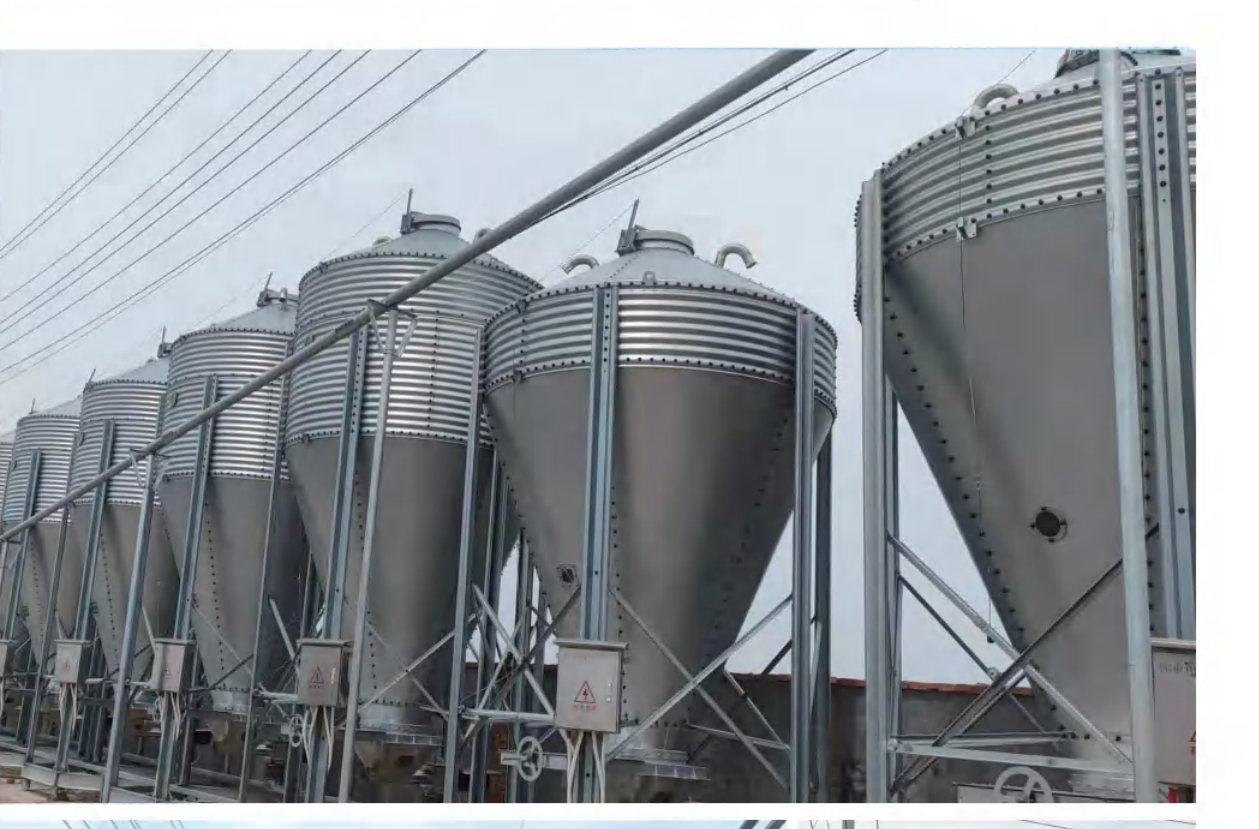
Project-based feeding architecture
Automatic Pig Feeding Systems for Pig-House Projects
An automatic pig feeding project connects feed storage, a discharge interface, a selected conveying line, distribution points and compatible end equipment. KAMOF discusses the system architecture, interfaces and supply boundary with distributors, contractors and commercial pig farms before quotation.
Request a System ReviewOperating relationship
How an Automatic Pig Feeding System Works
A complete project connects storage, a discharge interface, a selected conveying line, distribution points, compatible end equipment and the confirmed control scope. The components are reviewed as connected project layers rather than a universal package.
Storage and discharge
Selected storage, outlet and transfer interfaces are matched to the conveying family and project location.
Conveying and distribution
The selected line, route, outlets and end-equipment connections are reviewed together from the house layout.
Controls and responsibilities
Only the documented drive, sensor, control and site-responsibility scope is confirmed in the quotation.
System architecture
Storage, Conveying, Distribution and End Equipment
The storage layer may use an external feed silo or another confirmed hopper arrangement. The outlet, transfer hopper and connector form the interface to the delivery line. Review pig feed silo options for storage configurations.
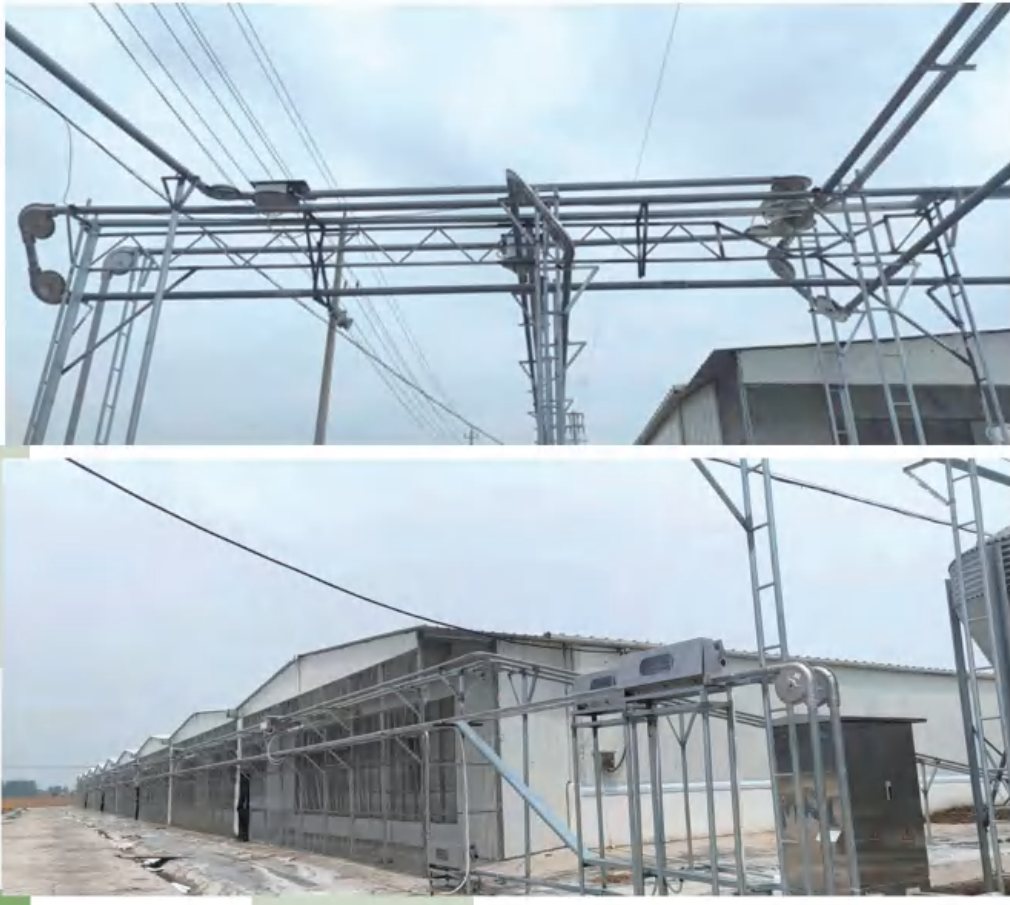
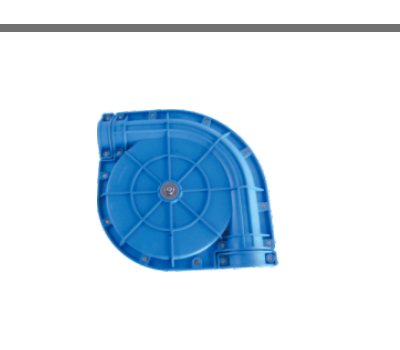
Flexible auger and chain-disc lines use different conveying elements, pipes, corners and drive arrangements. They are not interchangeable component sets. Route, elevation, supports, feed form and planned delivery points are reviewed together. See auger and chain-disc feed delivery lines for system-family and component references.
Feed-point planning
Distribution, End Equipment and Layout Review
Distribution and end equipment
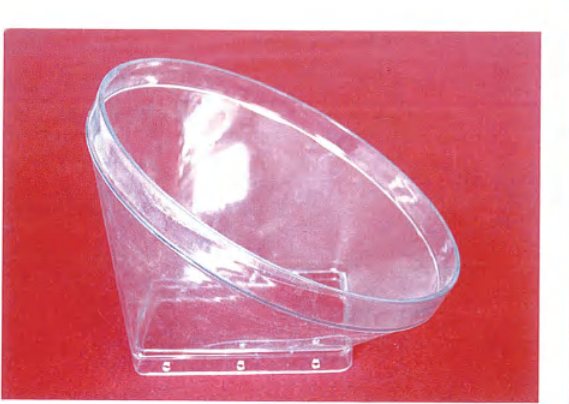
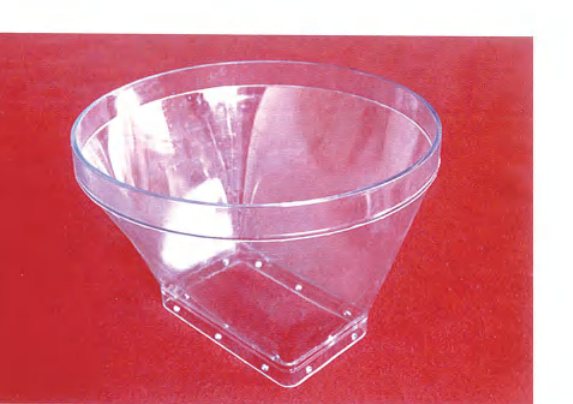
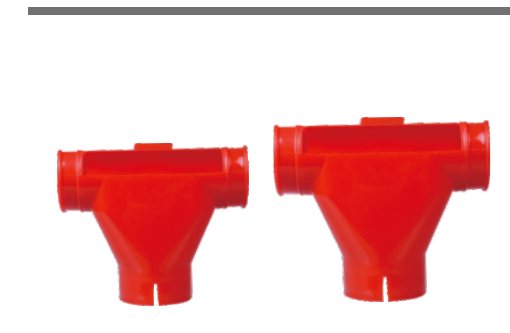
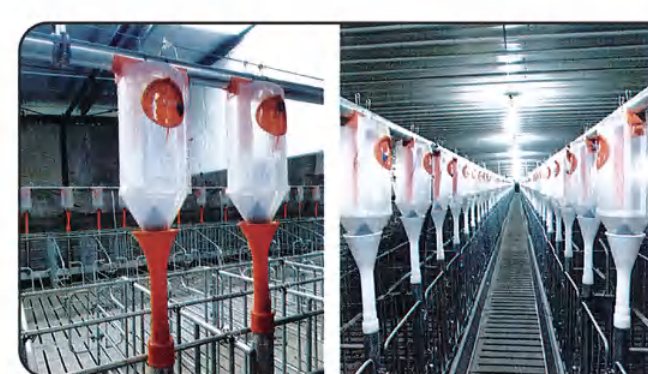
Drop outlets, three-way outlets and flexible connections direct feed toward planned feeding points. Outlet type and position depend on the house layout and the inlet arrangement of the selected end equipment. Review pig feeder and trough options or nursery pig feeder options when those products are the purchasing focus.
Layout and expansion inputs
System review starts with the route and feed points, including house dimensions, silo position, elevation changes, planned crossings, pig stage and structural interfaces. For the wider planning context, review pig-house design and equipment planning. Multi-house or phased layouts are discussed as project interfaces; capacity and compatibility are not assumed without review.
Configuration-specific functions
Sensors, Drives and Control Scope
Feed-level detection
A feed-level sensor can be included in selected configurations. Its presence does not establish a quantity-measurement or dosing function.
Matched drive selection
Drive selection follows the confirmed conveying family and route. Voltage, frequency and protection functions are reviewed for the destination market.
Optional silo weighing
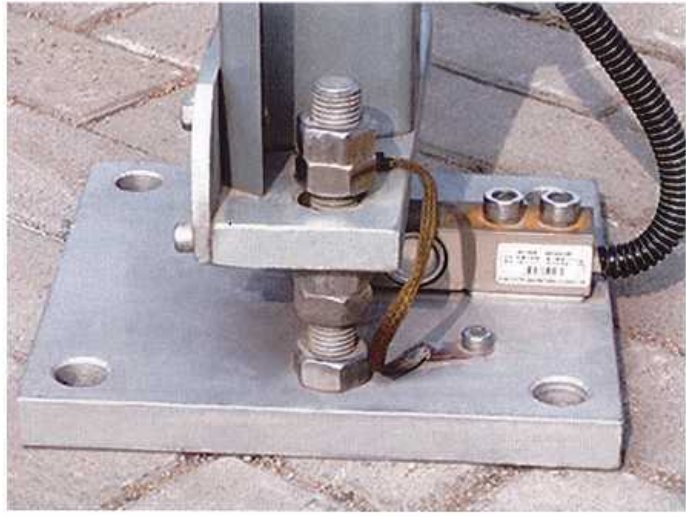
A load-cell weighing option can be discussed for compatible silo configurations. Control integration remains a separate confirmation.
Commercial and site boundary
Supply Boundary and Technical Review
Possible equipment supply
Selected storage and discharge equipment, conveying and distribution components, matched drives, sensors, controls, supports and connection accessories may be included according to the approved equipment list.
Site or customer responsibility
Layout and interface information, site access, permits, utilities, local civil and electrical work, and installation labor remain subject to the confirmed quotation or supply agreement.
Technical review sequence
- Review the available project information and interfaces.
- Confirm the selected families, connection points and supply boundary.
- Prepare the quotation from the reviewed equipment list, exclusions, packing and shipment scope.
RFQ preparation
Information Needed to Start a System Review
Initial project information
- Pig stage, quantity and feed demand
- Number of houses and a layout, sketch or key dimensions
- Proposed silo position and main route
- Selected feeder or feed-point requirement
- Destination country or port
- Required project timing
Additional technical information if available
- Elevation changes, corners and drop points
- Feed form and known bulk density
- Existing interface dimensions
- Preferred conveying family
- Voltage and frequency
- Site installation responsibilities
Existing system enquiries
Component and Replacement Supply
For a component-only enquiry, confirm the existing family, dimensions, interfaces and available photos before a replacement is considered. Components are not presented as universal replacements for every brand or existing system. See the feed delivery line page for component-family references.
Reference application
Reference System Applications
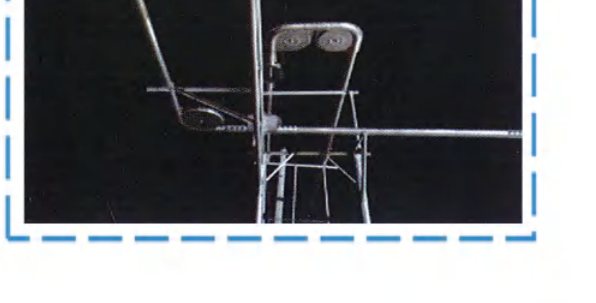
Reference images show how storage, transfer, conveying and feed points may relate in a pig-house project. They support layout discussion but do not establish project ownership, one standard configuration or a verified performance value.
Reference-image boundary
Reference imagery is kept near the related system context. It is not presented as a KAMOF-owned customer project, a standard configuration or a performance claim.
Supporting product pages
Related Feeding Equipment
Buyer questions
Automatic Pig Feeding System FAQ
What equipment is included in an automatic pig feeding system?
The possible scope may include selected storage, outlets, transfer hoppers, an auger or chain-disc line, distribution components, drives, sensors, controls and connection accessories. The final included and excluded items are listed in the quotation.
How is an auger or chain-disc system selected?
The choice is reviewed from the pig-house route, feed form, known bulk density, length, elevation changes, corners, drop points and required end-equipment connections. Detailed specifications remain configuration-specific.
Does every system include automatic control?
No single control package is assumed. A feed-level sensor, selected drive functions or optional load measurement may be discussed where documented for the chosen configuration. Final control scope is confirmed before quotation.
Can the system serve multiple pig houses?
Multi-house layouts can be reviewed when the silo position, house dimensions, route, feed points and expansion boundary are provided. The resulting component and control scope is project-specific.
Who is responsible for installation and commissioning?
Installation and commissioning responsibilities depend on the confirmed project scope and local site arrangements. Civil work, local electrical work, labor, commissioning and training are confirmed in the quotation or supply agreement.
What information is required for a quotation?
Please provide pig stage and quantity, daily feed demand, house layout, silo location, route and feed-point information, feeder type, electrical requirements, destination and target schedule. A drawing or sketch is recommended.
Start the discussion
Plan an Automatic Feeding System for Your Pig-House Project
Send the available layout, feeding demand, route information, end-equipment requirements and destination. KAMOF will review the project inputs and discuss a suitable equipment scope for quotation.
Request a Quote